Creating a home office that is both cozy and productive can significantly improve your work experience. Whether you work remotely full-time or occasionally need a dedicated spot for tasks, having a space that inspires focus while feeling inviting is essential. In this post, we’ll explore practical tips to transform any corner of your home into a comfortable workspace where you can be your best self.
Choose the Right Location
Selecting the best spot for your home office is the first step. Ideally, pick a quiet area with minimal distractions, good natural light, and enough space to accommodate your necessary work tools.
– Natural light: A space near a window can brighten your room and improve mood.
– Privacy: Avoid channels of high traffic within the house, reducing interruptions.
– Space: Ensure room for desk, chair, and any storage you need.
If space is tight, consider creative solutions like a fold-away desk or repurposing a closet.
Invest in Comfortable and Supportive Furniture
Comfort is crucial for maintaining focus during long work sessions. Invest in a quality chair that supports your back and encourages good posture. Pair it with a desk at a comfortable height that fits your work style.
– Ergonomic chair: Adjustable height and lumbar support help prevent strain.
– Desk options: Standing desks or adjustable desks allow you to change posture through the day.
– Footrests or cushions: These add additional comfort and support.
Remember, furniture doesn’t have to be expensive to be effective. Look for options within your budget that suit your needs.
Organize for Efficiency
Clutter can distract and reduce productivity. Keep your workspace neat by adding smart organization solutions.
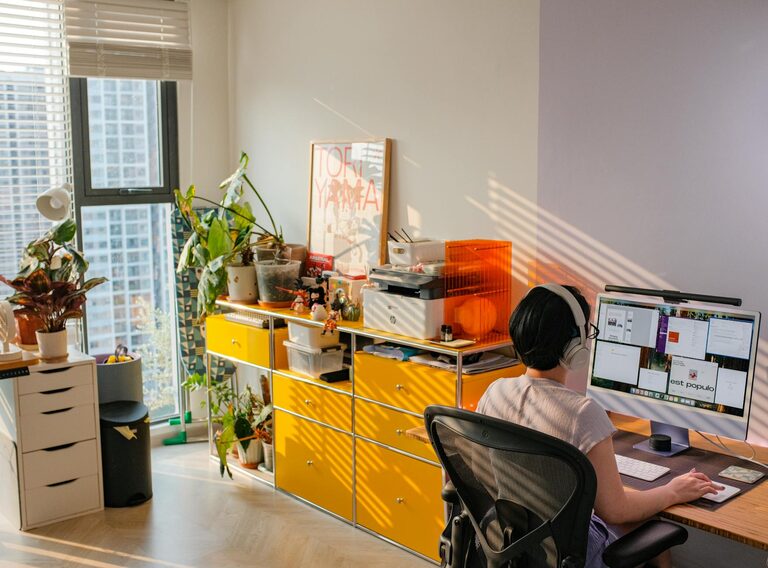
– Storage: Use shelves, drawers, or organizers to keep essentials close but tidy.
– Cable management: Velcro ties or under-desk trays prevent tangled cords.
– Minimalism: Only keep items you regularly use on your desk to reduce visual distractions.
A well-organized space means you spend less time searching and more time focused.
Incorporate Personal and Cozy Touches
A home office should feel inviting, not sterile. Adding personal elements can make the environment enjoyable.
– Plants: Indoor plants improve air quality and add life to your space.
– Artwork or photos: Personalize walls with art or images that inspire you.
– Soft textiles: A cozy rug or cushions add warmth and comfort.
Balance is key—avoid overdecorating to keep the space functional.
Optimize Lighting
Good lighting reduces eye strain and keeps energy levels high. Combine different types of lighting for best results.
– Natural light: Use window shades to control glare but allow daylight.
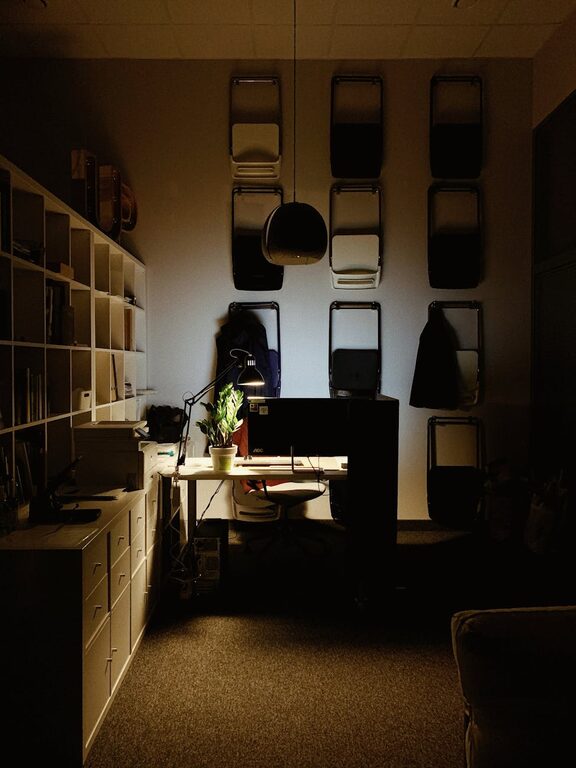
– Task lighting: Desk lamps with adjustable brightness help focus on detailed work.
– Ambient lighting: Soft overhead lighting makes the space welcoming, especially during early mornings or evenings.
Choosing bulbs with a daylight or neutral white color temperature helps create a natural feel.
Minimize Distractions
Staying productive means managing noise and interruptions.
– Sound insulation: Use rugs, curtains, or even room dividers to reduce echoes.
– Noise-canceling headphones: These are great for blocking out background noise.
– Set boundaries: Communicate your work hours to household members to reduce disturbances.
Small changes can make a big difference in maintaining concentration.
Establish a Routine
A pleasant space is just part of productivity—it also helps to develop habits.
– Consistent work hours: Start and finish work at regular times.
– Breaks: Step away from the desk to stretch or move around.
– End-of-day rituals: Tidying up your workspace signals the end of work and helps mentally disconnect.
A routine makes transitioning into work mode easier and supports sustained focus.
Use Technology Wisely
Equip your home office with the right tech to streamline tasks.
– Reliable internet connection: Essential for video calls and cloud work.
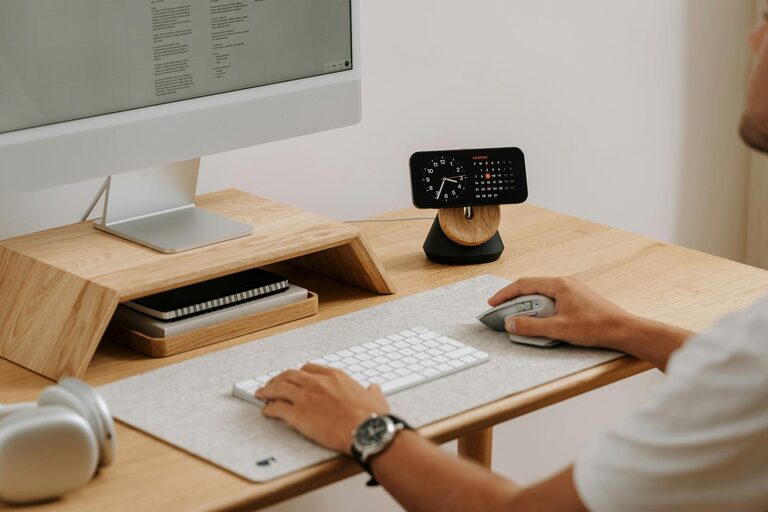
– Ergonomic accessories: External keyboards, mice, or monitor stands improve comfort.
– Productivity tools: Use apps or software that keep projects on track, like calendars or task lists.
Keeping your technology updated avoids frustration and downtime.
—
Creating a cozy and productive home office is about balancing comfort, functionality, and personal style. By carefully choosing your location, investing in supportive furniture, organizing efficiently, and adding personal touches, you can build a space that motivates you daily. Small adjustments in lighting, noise management, and technology use further enhance your ability to stay focused. Finally, establish routines that help your brain transition smoothly into work mode. With these tips, your home office will become a favorite spot that supports both your professional success and well-being.