
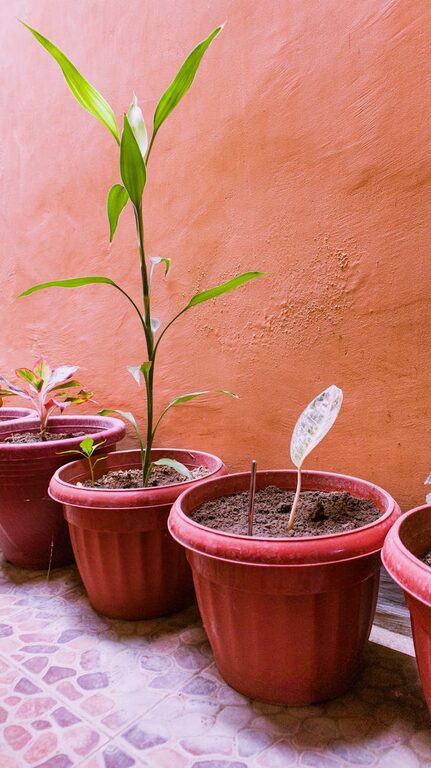
Creating a sustainable home garden that flourishes throughout the year is a rewarding way to connect with nature, reduce your carbon footprint, and enjoy fresh produce at your fingertips. Whether you have a small balcony or a large backyard, adopting sustainable gardening practices helps conserve resources, supports biodiversity, and promotes healthier plants.
In this post, we will explore tips and techniques to help you build and maintain a thriving sustainable garden all year long.
Why Choose a Sustainable Garden?
Before diving into the how-to, it’s worth understanding why sustainable gardening matters:
– Resource conservation: Using water, soil, and energy wisely reduces waste.
– Healthier plants: Sustainable methods improve soil quality and plant health naturally.
– Biodiversity support: Native plants and organic practices create habitats for beneficial insects and wildlife.
– Cost savings: Growing your own food and reducing chemical use lowers expenses.
With those benefits in mind, here’s how you can create a garden that supports you and the environment year-round.
Planning Your Sustainable Garden
Assess Your Space and Climate
Start by evaluating your available gardening area, sunlight exposure, and local climate conditions. This will guide your plant selection and garden design.
– Identify which parts of your garden get full sun, partial shade, or shade.
– Learn your USDA Hardiness Zone or local climate type to choose suitable plants.
– Consider container gardening if space is limited.
Design with Sustainability in Mind
Plan your garden layout to reduce waste and energy use:
– Use raised beds or container gardens to improve soil quality and drainage.
– Group plants by water needs to optimize irrigation.
– Include native plants and perennials to support local ecosystems.
– Create habitat features like birdhouses or compost bins to enhance biodiversity.
Soil Health: The Foundation of Sustainability
Good soil is key to a thriving garden.
Test and Improve Your Soil
– Get a soil test kit to check pH and nutrient levels.
– Add organic matter like compost or well-rotted manure to enrich soil naturally.
– Avoid synthetic fertilizers that can harm beneficial soil organisms.
Mulch to Conserve Water and Suppress Weeds
Applying mulch links directly to sustainability:
– Mulch with straw, leaves, wood chips, or grass clippings.
– It helps retain soil moisture, reducing the need for frequent watering.
– Mulch also prevents weed growth, reducing labor and chemical use.
Water Wisely
Water management is crucial for a sustainable garden.
Use Efficient Irrigation Systems
– Install drip irrigation or soaker hoses to target water to plant roots.
– Avoid overhead sprinklers that waste water through evaporation.
– Water early in the morning or late evening to minimize loss.
Collect and Reuse Rainwater
– Set up rain barrels to capture rainwater for watering your garden.
– Using rainwater conserves tap water and reduces runoff.
Choose Plants That Thrive Year-Round
Opt for Native and Drought-Tolerant Plants
– Native plants are adapted to your local environment and require less care.
– Drought-tolerant species reduce your water needs.
Incorporate Perennials and Edibles
– Perennials return year after year, saving replanting effort.
– Plant herbs, vegetables, and fruit shrubs for fresh, homegrown food.
Practice Crop Rotation and Companion Planting
– Rotate crops annually to prevent soil depletion and disease buildup.
– Use companion plants that deter pests or enhance growth naturally.
Organic Pest and Weed Control
Avoid harsh chemicals which may harm beneficial insects and soil life.
Encourage Beneficial Insects
– Plant flowers like marigolds and lavender to attract pollinators and predators of pests.
– Provide habitats such as insect hotels.
Use Natural Remedies and Manual Methods
– Remove pests by hand or use homemade sprays like neem oil or garlic spray.
– Pull weeds regularly or use mulch to keep them at bay.
Seasonal Care and Harvesting
Adjust Practices Throughout the Year
– In colder months, use row covers, cold frames, or greenhouses to extend the growing season.
– Prune plants appropriately to promote healthy growth.
– Rotate indoor plants or seedlings into your garden seasonally.
Harvest Responsibly
– Pick fruits and vegetables when ripe to encourage continued production.
– Save seeds from healthy plants for next season.
Composting: Closing the Loop
Make your garden truly sustainable by composting kitchen scraps, garden waste, and leaves. Compost adds nutrients, improves soil structure, and reduces landfill waste.
– Start a simple compost bin or pile.
– Turn compost regularly to speed decomposition.
– Use finished compost to nourish your soil.
Final Thoughts
Building a sustainable home garden is a continuous, rewarding process that benefits you and the planet. By planning carefully, focusing on soil and water conservation, choosing the right plants, and embracing organic practices, you can enjoy a vibrant garden all year round. Whether you grow flowers or food, your sustainable garden will flourish with care, attention, and patience.
Happy gardening!